Sewer Repair in Denver County, CO
Sewer repair services address issues with a property's underground sewer lines, which are essential for removing waste and maintaining proper sanitation. These services typically cover a range of projects including fixing leaks, clearing blockages, replacing damaged pipes, and repairing broken or collapsed sewer lines. Property owners often want to understand the signs of sewer problems, such as foul odors, slow drains, or sewage backups, and inquire about the scope of repairs needed to restore proper function.
Before requesting sewer repair services, homeowners should consider the extent of the issue, the age and condition of existing sewer lines, and whether a full replacement or targeted repairs are appropriate. It is also helpful to understand the process involved, including any necessary excavation or pipe replacement, and to clarify what measures will be taken to minimize disruption to the property. Clear communication about these aspects can help ensure the repair work aligns with property needs and expectations.
Many property owners in Denver County, CO look into Sewer Repair for repairs, replacements, upgrades, and appearance-related improvements.
Signs Of Sewer Issues
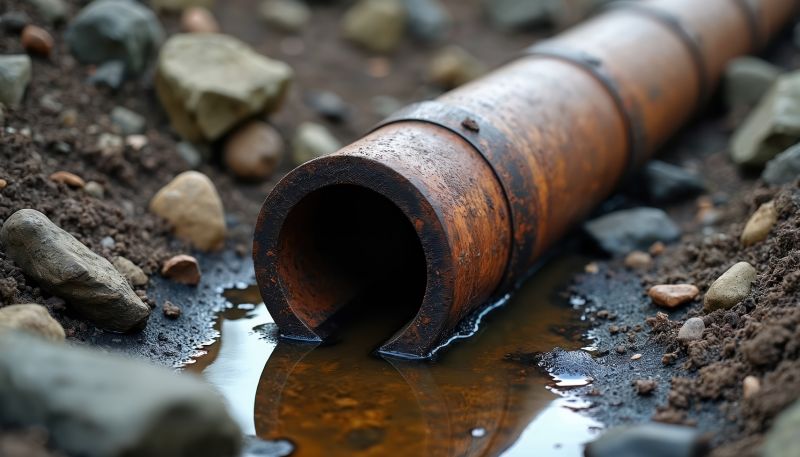
Homeowners in denver county may notice slow drains, foul odors, or gurgling sounds indicating sewer problems.
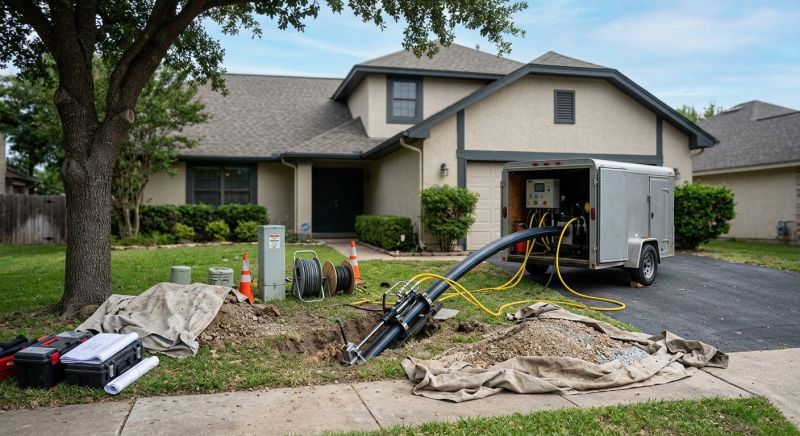
Common Sewer Repairs
Repairs often involve fixing cracked pipes, clearing blockages, or replacing damaged sections to restore proper flow.
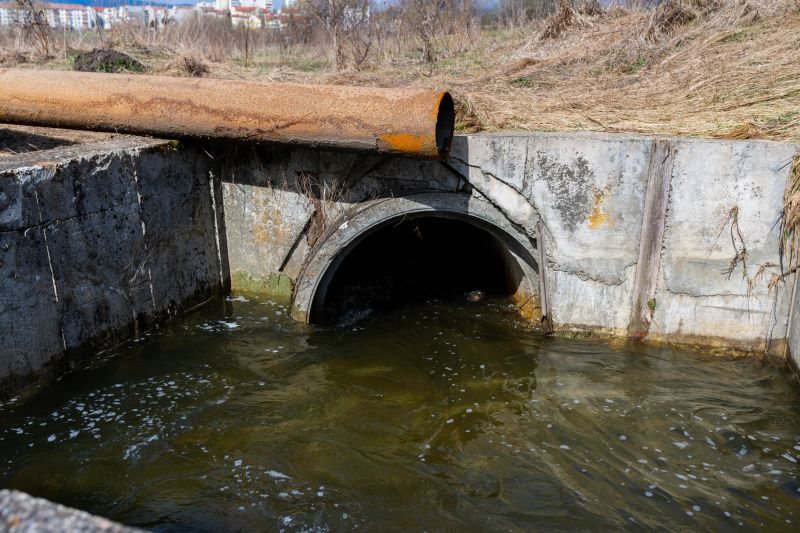
Preventative Maintenance
Regular inspections and early repairs can help prevent costly sewer backups and property damage in denver area homes.
Sewer Repair in Denver County, CO

Sewer repair services address issues with a property's underground sewer lines, which are essential for removing waste and maintaining proper sanitation. These services typically cover a range of projects including fixing leaks, clearing blockages, replacing damaged pipes, and repairing broken or collapsed sewer lines. Property owners often want to understand the signs of sewer problems, such as foul odors, slow drains, or sewage backups, and inquire about the scope of repairs needed to restore proper function.
Before requesting sewer repair services, homeowners should consider the extent of the issue, the age and condition of existing sewer lines, and whether a full replacement or targeted repairs are appropriate. It is also helpful to understand the process involved, including any necessary excavation or pipe replacement, and to clarify what measures will be taken to minimize disruption to the property. Clear communication about these aspects can help ensure the repair work aligns with property needs and expectations.
Many property owners in Denver County, CO look into Sewer Repair for repairs, replacements, upgrades, and appearance-related improvements.
Common Sewer Repair Jobs
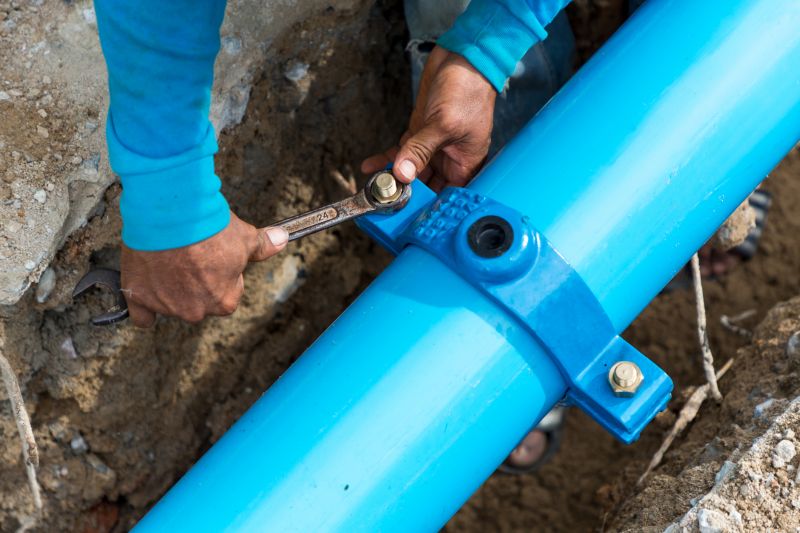
Pipe Replacement - involves removing and installing new sewer pipes to ensure proper flow.
Leak Repairs - addresses underground or visible leaks to prevent water damage and reduce waste.
Clog Removal - clears blockages caused by debris, roots, or buildup to restore sewer function.
Camera Inspection - uses video technology to identify pipe damage, blockages, or root intrusion.
Burst Pipe Repair - replaces severely damaged or collapsed sewer lines with minimal disruption.
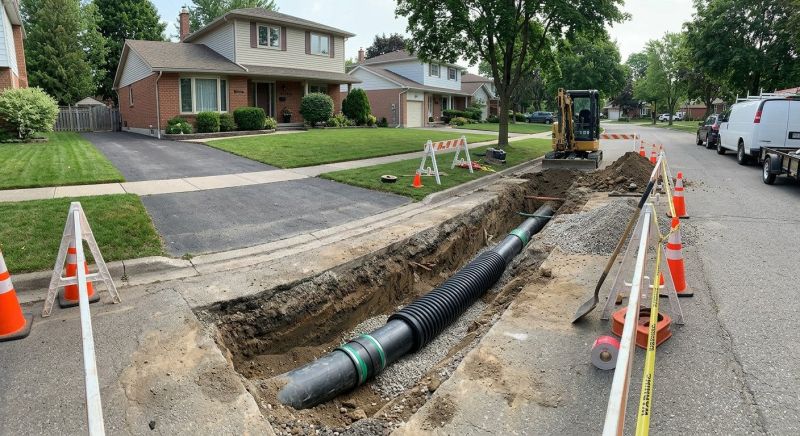
Trenchless Repair - fixes sewer issues with minimal excavation, reducing property disturbance.
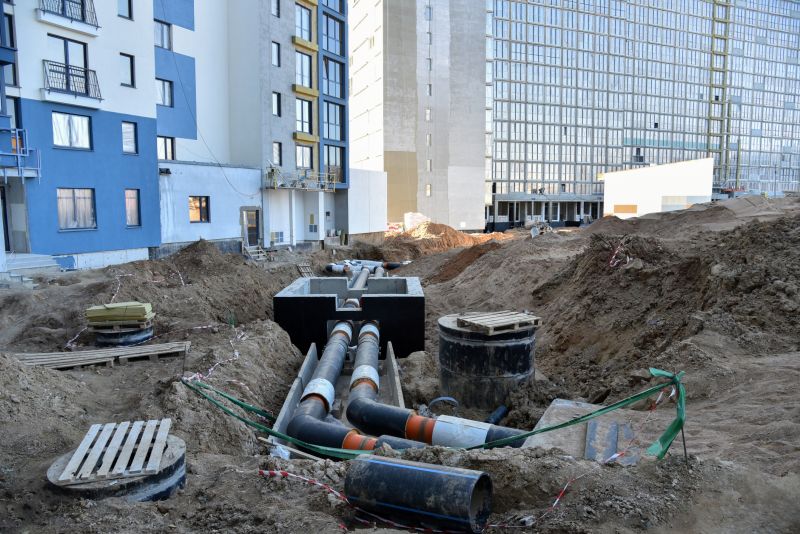
Sewer Repair Questions
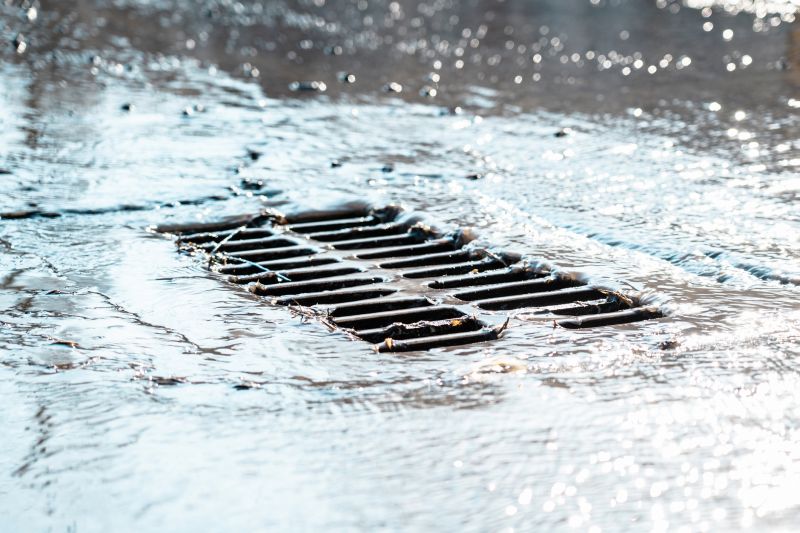
What are common signs of sewer problems? Indicators include persistent odors, slow drains, gurgling sounds, or sewage backups in fixtures.
What causes sewer line damage? Causes can include tree root intrusion, aging pipes, blockages, or ground shifting.
How is sewer repair typically performed? Repairs often involve locating the issue, then using trenchless or traditional methods to replace or fix damaged pipes.
Is sewer repair disruptive to property? Minimal disruption is possible with modern techniques, but some excavation may be necessary depending on the project.
Request Sewer Repair in Denver County, CO
Use the quote form on this page to share the basics of your project and request more information for the type of work you need.